

Research and whitepapers
Study: live drone video gives dispatch centres an early view of the scene
Live video reached the dispatch centre in all 45 completed missions, usually before ground units.
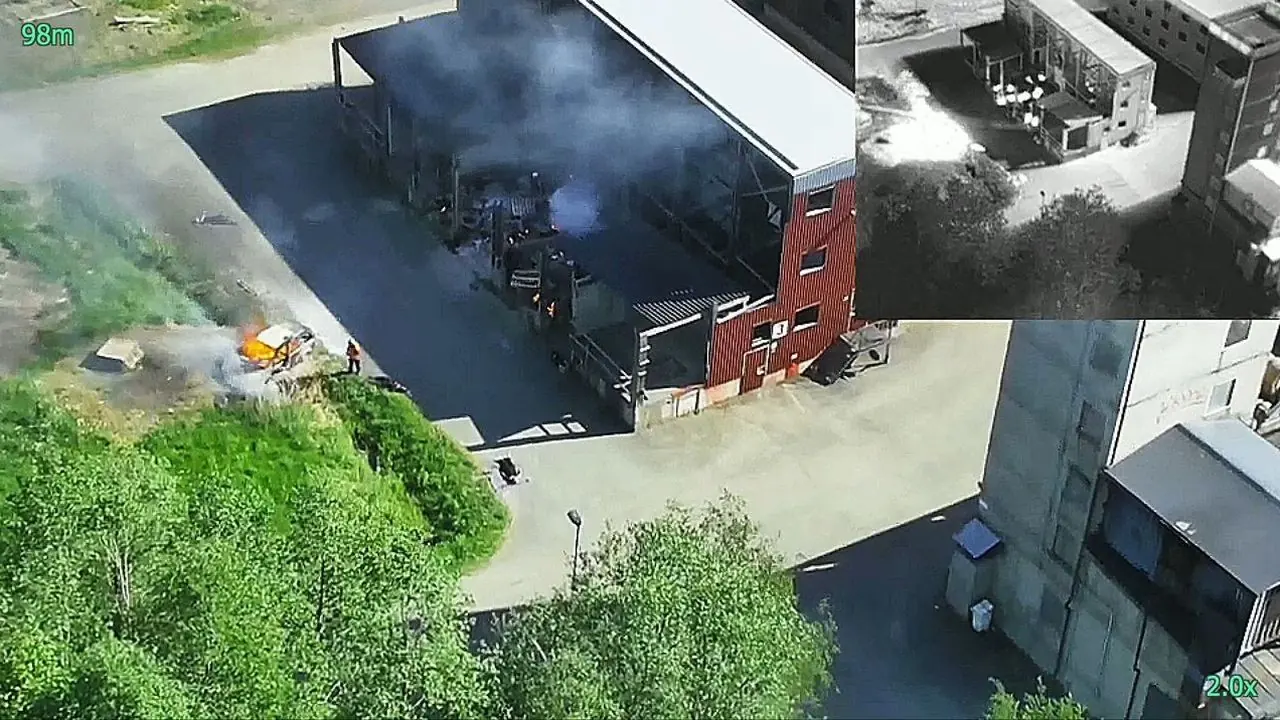
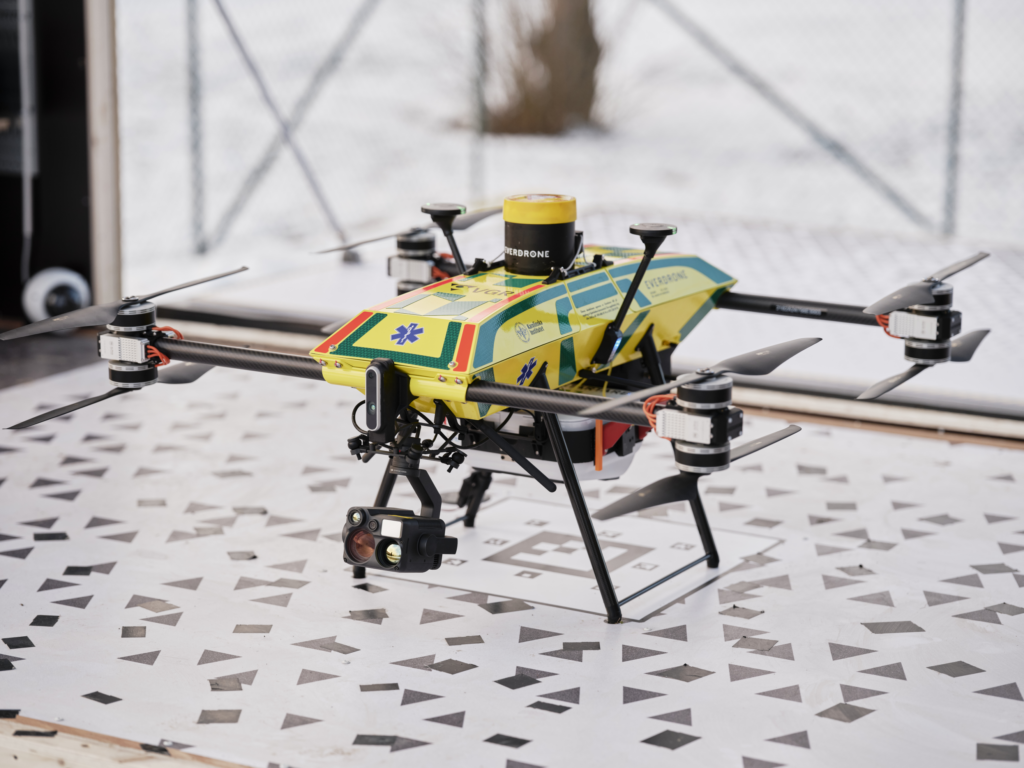
A peer-reviewed study shows that live video from Everdrone’s DEMS resource gives emergency dispatch centres information during the first critical minutes of an emergency, before ground units arrive. Fire and rescue dispatchers in particular could assess the extent of an incident and possible hazards from the aerial view.
“At many emergencies, important decisions must be made before responders reach the scene. With live video from the drone, dispatchers can see what is happening earlier and have more information to base their assessments on.”
Magnus H. von Geijer, Chief Commercial Officer, Everdrone
The study was led by researchers at Karolinska Institutet’s Center for Resuscitation Science and carried out in western Sweden over six months in 2025. It covered traffic accidents, fires and suspected cardiac arrests. In 45 completed missions, the DEMS resource reached the scene and streamed live video to the emergency dispatch centres.
In 44 of the 45 completed missions (98%), the DEMS resource was the first or the only resource on scene. Its median arrival time was 4 min 24 s, against 8 min 50 s for ground units. Live video reached the dispatch centre in every completed mission.
What dispatchers could see
At traffic accidents, the video showed where vehicles were, the traffic situation and the people at the scene. At fires, dispatchers could see smoke, visible flames and the approximate extent of the incident.
In a follow-up survey, five of the six participating fire and rescue dispatchers (83%) rated the added value of the aerial view as high, and four of six (67%) said it gave them information they did not get from the emergency call.
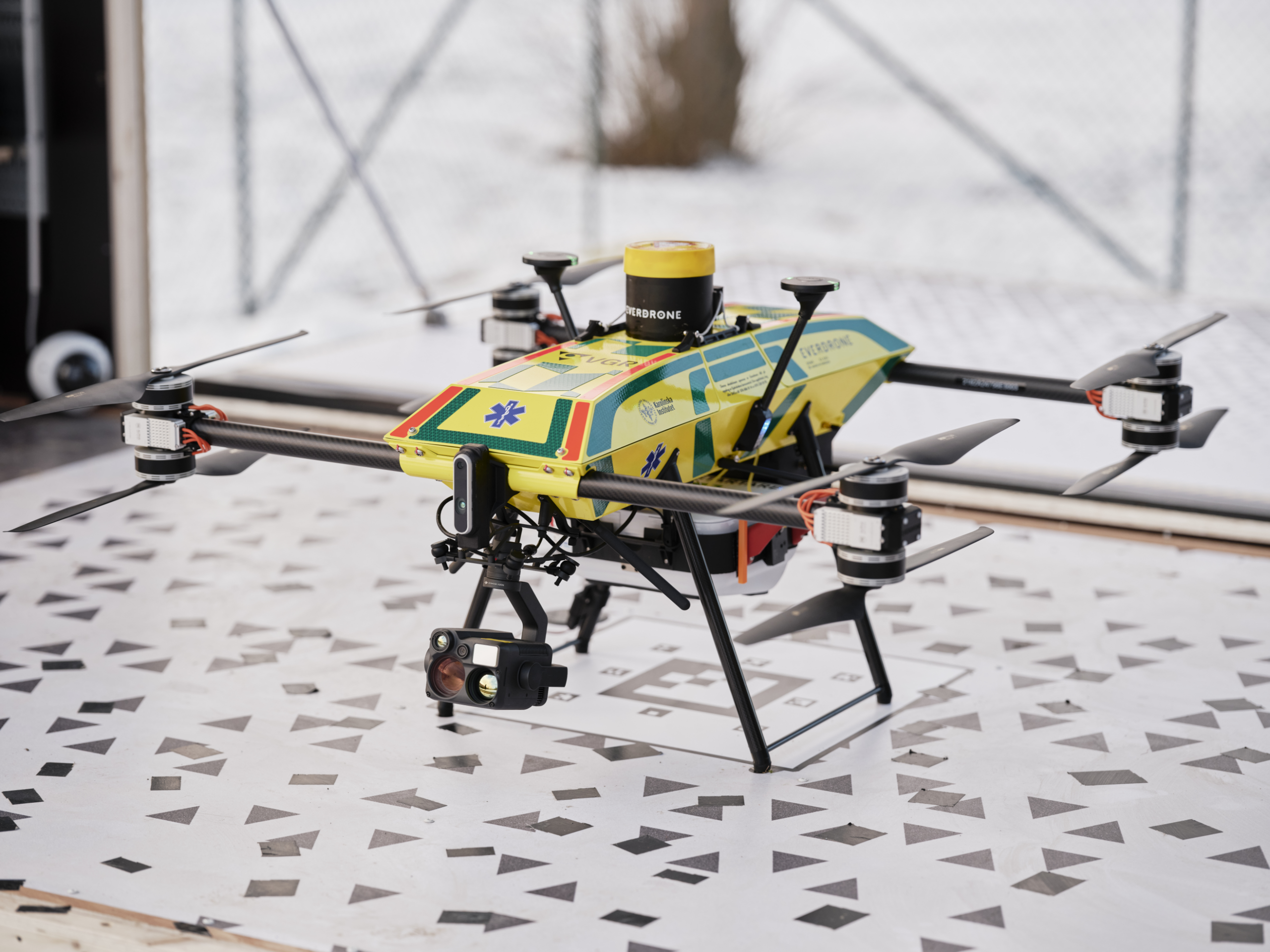
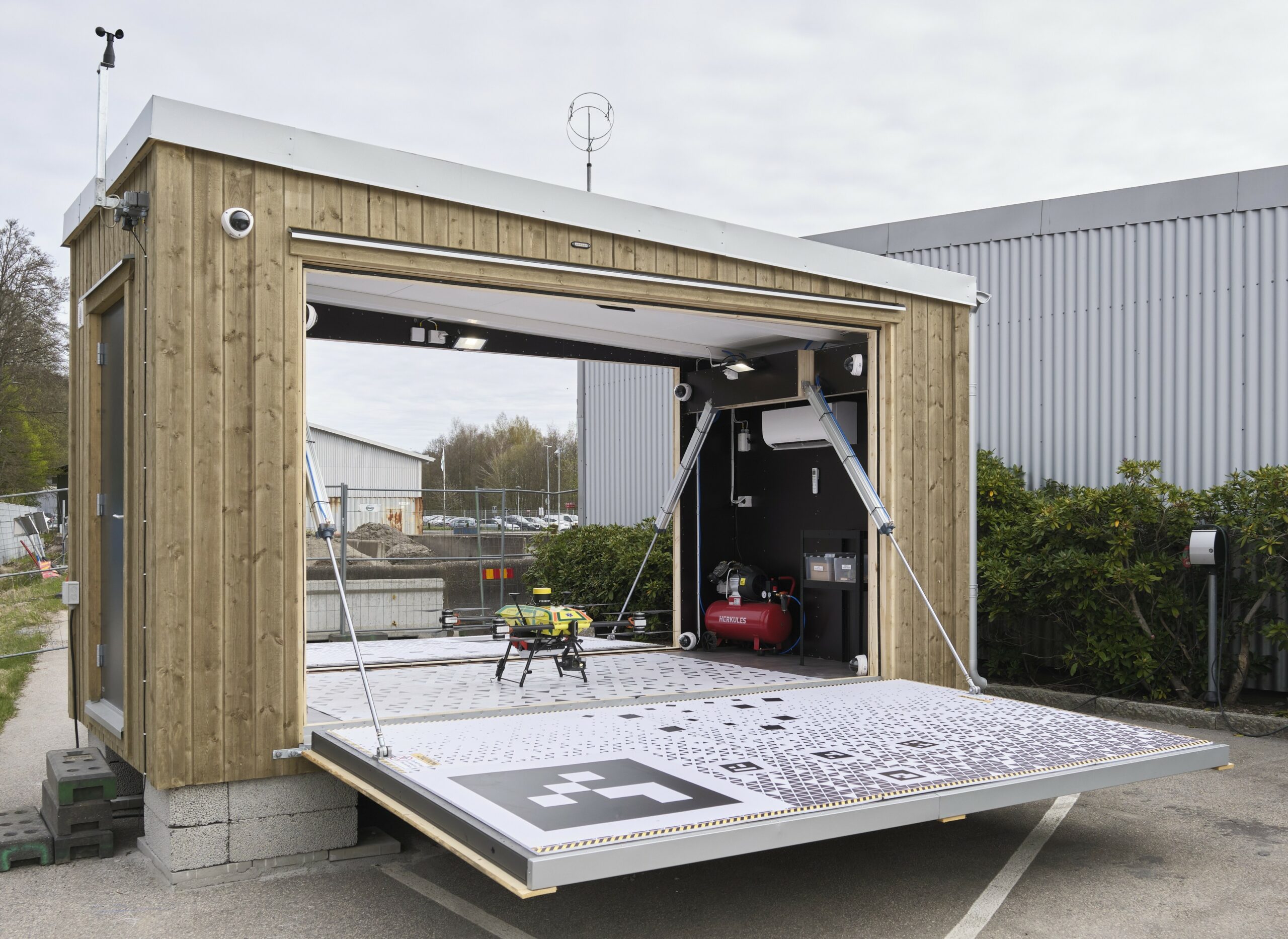
A drone that responders bring with them can only give a view once they are on scene. Everdrone’s DEMS resource is dispatched from the emergency dispatch centre itself, so the aerial view is available earlier and does not depend on callers or bystanders.
“This shows how early live video can add value across different types of emergencies. It opens new ways to support healthcare and rescue services during the first critical minutes.”
Magnus H. von Geijer, Chief Commercial Officer, Everdrone
About the study
Kristiansson M, Andersson Hagiwara M, Svensson L, et al. Drones providing live video to dispatch centers during time-critical incidents. BMC Emergency Medicine 26, 236 (2026). Published 28 August 2026. The study builds on earlier research in which Everdrone’s DEMS resource sent on-site photos to dispatch centres before other units arrived (Resuscitation, 2024).
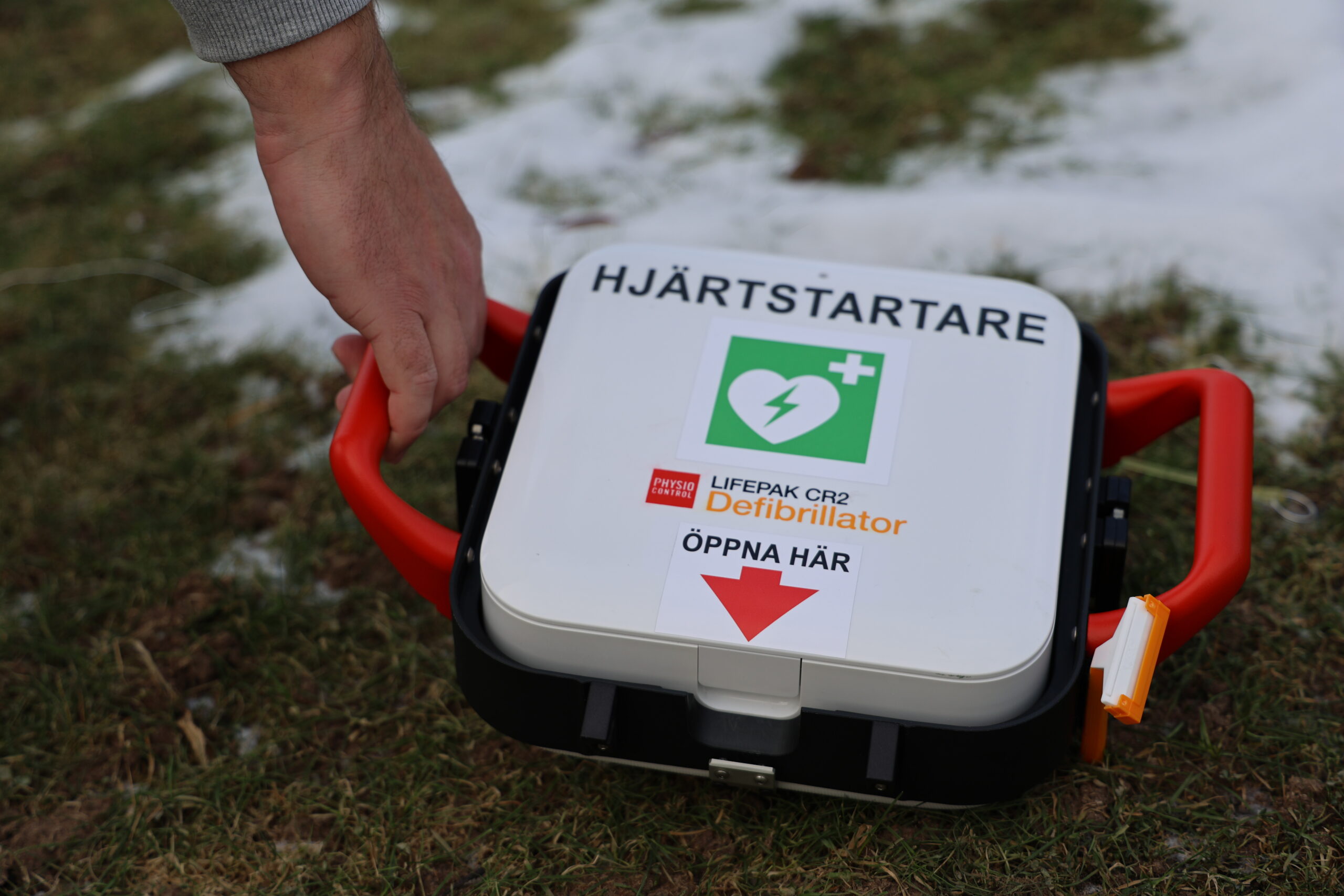
The findings support the continued development of Drone Emergency Medical Services (DEMS), which combines rapid delivery of medical equipment such as an AED with a real-time view of the scene for the dispatch centre.
More news
Keep reading







See what DEMS could do in your region
A feasibility study uses your own emergency call data to show where DEMS resources should be positioned and what they can achieve.